Key Facts
| Probes | 7 |
|---|---|
| Drone complement | 100 |
| First Probe launch | 1st January 2001 |
| In-system deployments | 1st January 2023 |
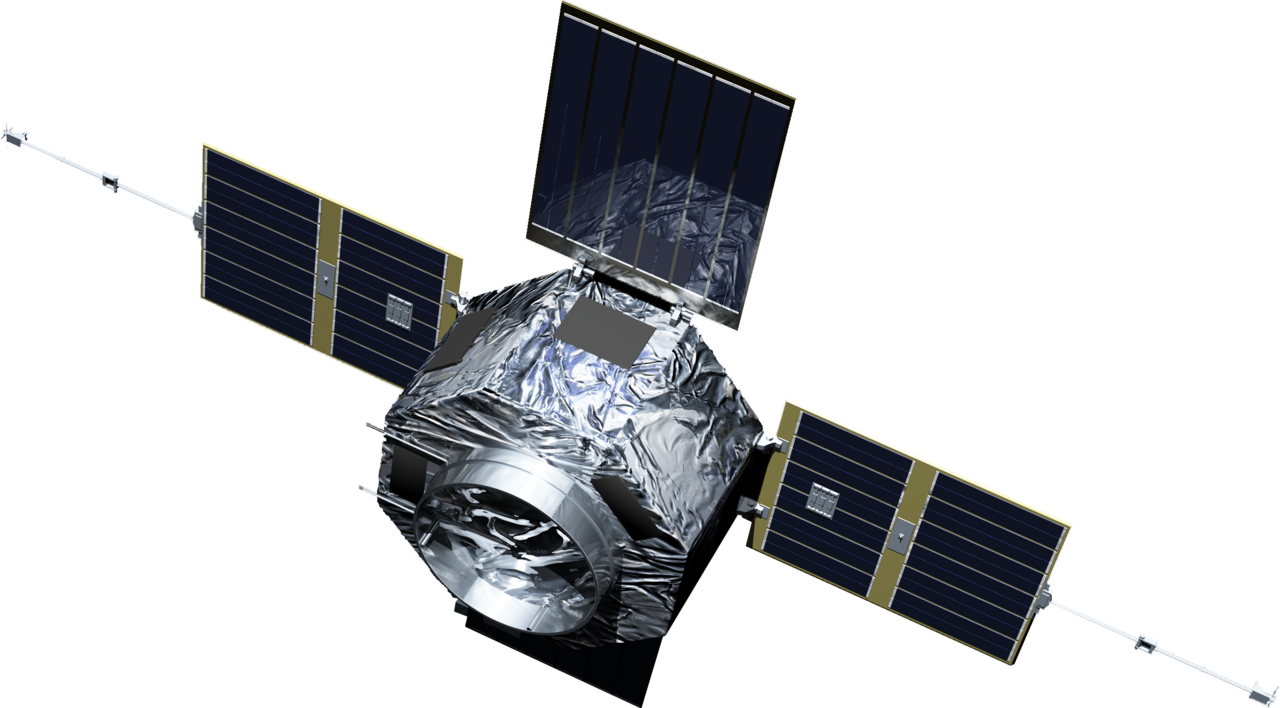
Autonomous probes each hosting a Mission Personality™ coordinating a drone survey of bioforms on seven of the Kepler planets
| Probes | 7 |
|---|---|
| Drone complement | 100 |
| First Probe launch | 1st January 2001 |
| In-system deployments | 1st January 2023 |
Autonomous probes each hosting a Mission Personality™ coordinating a drone survey of bioforms on seven of the Kepler planets
Exoplanet exploration requires the use of AI to extend our reach further into the galaxy.
The Mission Personality™ programme has developed AI capable of more than just the operation of mission payloads and systems. They have the capacity to interpret data and telemetry to locally direct operations.
The Kepler Exobioform Missions are using seven bespoke AIs. Trained alongside human specialists, they have the curiosity, care and attention to detail of a human naturalist.
The AIs are individually named after famous naturalists, biologists and explorers: Acton, Bird, Darwin, Gould, Lyell, Ridgway, Wallace.
| # | Mission AI | Planet |
|---|---|---|
| 1 | Acton | kepler-186f |
| 2 | Bird | kepler-705b |
| 3 | Darwin | kepler-1229b |
| 4 | Gould | kepler-443b |
| 5 | Lyell | kepler-62f |
| 6 | Ridgway | kepler-1649c |
| 7 | Wallace | kepler-442b |
Probes have a payload of 100 drones and supporting planetary deployment and maintenance systems. On reaching orbit, probes will also deploy a supporting cubesat network for planetary observation and connectivity. At timed intervals probes will launch a "data return mission" using a limited supply of rockets. These will carry high-definition copies of all data back to earth. An interplanetary sneakernet.
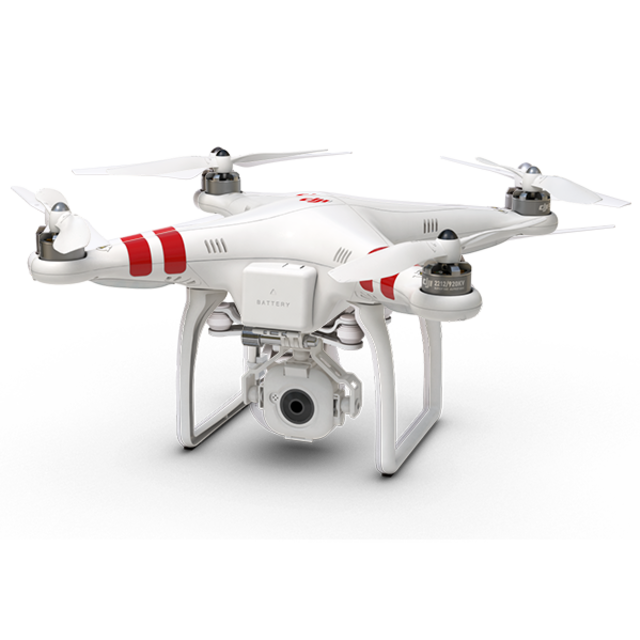
Each survey drone is running one of four different bioform recognition algorithms designed to photograph, document and observe bioforms as they are identified.
Data on bioform type, colouration and behaviours will be transmitted immediately by the Mission Personality.
Imagery and detailed telemetry will arrive over many years.
orniIdentifies and describes avian bioforms
vertIdentifies and describes vertebrate bioforms
phytPlant identification
biofBridges the gaps between the other algorithms. Looks for the unknown
Three of the bioform recognition algorithms have been designed to describe and observe three important categories of life: vertebrates, avians and plant life.
The algorithms have been trained on real specimens, archeological replicas and hypothetical forms created through computer-aided evolution and image generation algorithms.
The fourth algorithm is an experimental payload. It sifts the failed results of the other algorithms, attempting to find and identify new forms of life. Literally seeing the gaps between the known and the unknown.
Follow us for mission updates